
Blog
A Deep Dive into Tableware Ceramics: Types, Glazes, and the Porcelain Advantage

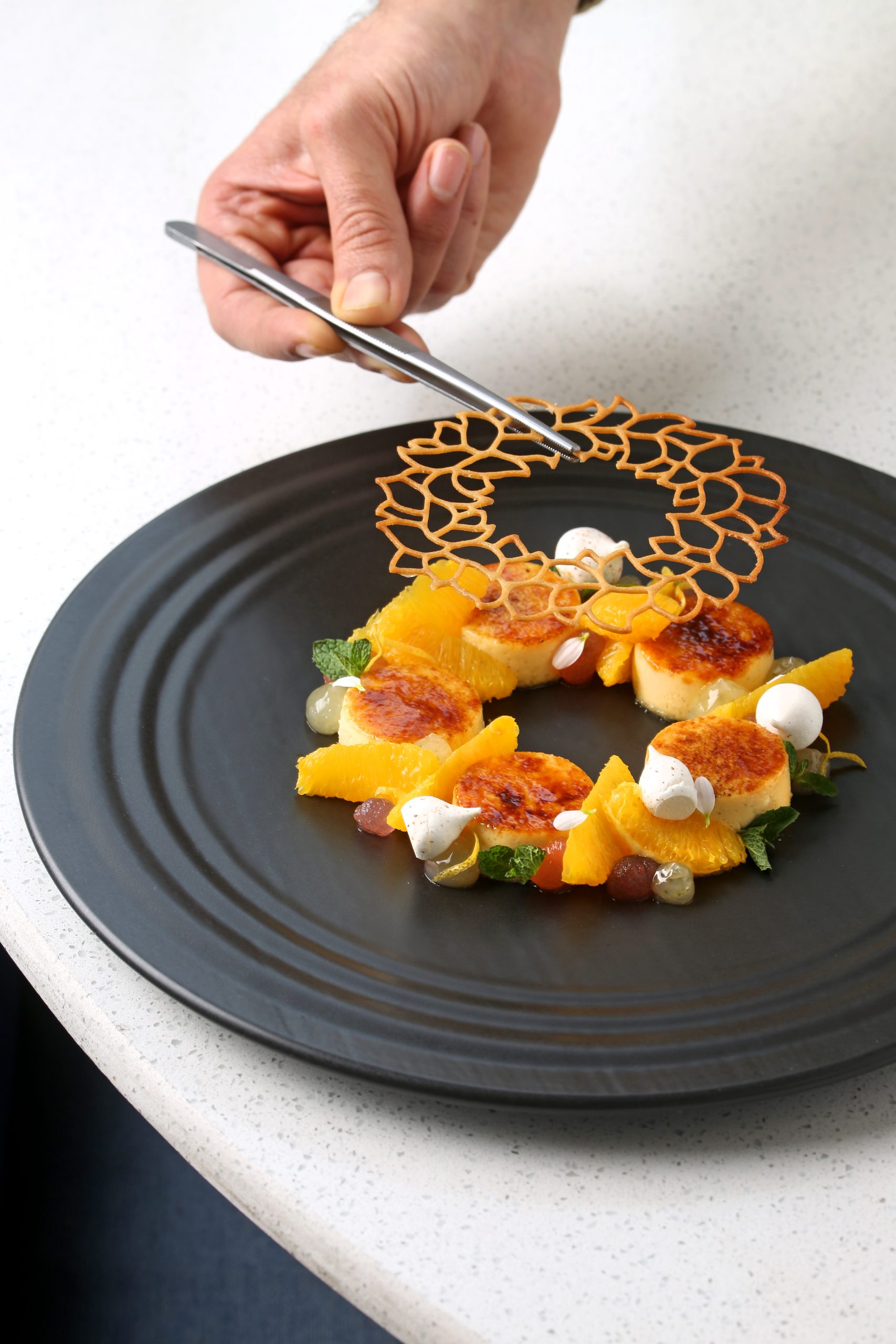
Tableware ceramics, a ubiquitous element of dining and culinary presentation, offer a vast array of options for both functionality and aesthetics. Their versatility is defined by the interplay between the ceramic body and the surface glaze. This article explores the world of tableware ceramics, highlighting different types, glaze effects, durability considerations, and the superior qualities of porcelain.
Understanding Ceramic Bodies:
Tableware ceramics are crafted from various blends of clays, minerals, and other additives, fired at high temperatures to achieve strength and durability. The composition significantly affects the final product’s properties, especially water absorption and resistance to chipping or cracking. Based on water absorption, tableware ceramics are categorized as:
- Earthenware: High water absorption (above 7%). Earthenware is porous and generally less durable than other types. It’s often used for decorative pieces or items not intended for frequent washing or exposure to moisture. It’s usually less expensive.
- Stoneware: Medium to low water absorption (3-7%). Stoneware offers improved durability and is more resistant to chipping and cracking than earthenware. It’s microwave- and oven-safe (depending on the glaze) and suitable for everyday use.
- Porcelain: Very low water absorption (less than 0.5%). Porcelain is the densest and strongest type of ceramic tableware. Its impermeability makes it highly resistant to stains, chipping, and cracking. It’s also generally translucent when thin, a key characteristic for fine china. It’s usually the most expensive.
The Impact of Glazes:
The glaze is a crucial element, offering both protective and decorative functions. Applied to the ceramic body before firing, it significantly enhances durability and aesthetics. Glaze types determine visual effects and performance:
- Matt Glazes: Provide a non-reflective, often slightly textured surface. Matt glazes may offer slightly less stain resistance than glossy counterparts but are aesthetically popular for their understated elegance.
- Glossy Glazes: Characterized by their smooth, reflective surface. Glossy glazes generally provide superior stain and scratch resistance, making them ideal for frequent use.
- Textured Glazes: Create three-dimensional surfaces mimicking materials like wood, stone, or fabric. The texture can influence stain resistance; some textured glazes offer good protection while others are more vulnerable.
Porcelain Tableware: A Superior Choice:
Porcelain stands out as a premium material for tableware due to its exceptional properties. The high-temperature firing process creates a very dense and durable body with minimal porosity. This leads to:
- Exceptional Durability: Porcelain’s dense structure makes it remarkably resistant to chipping, cracking, and scratching, even with frequent use and washing.
- Superior Stain Resistance: The extremely low porosity prevents liquids and stains from penetrating the surface, making cleaning and maintenance easy.
- Increased Water Resistance: Porcelain’s impermeability protects against water damage and prevents the growth of mold and mildew.
- Versatility in Design: Porcelain tableware is available in countless colors, shapes, patterns, and finishes. It can range from simple, modern designs to elaborate, ornate pieces.
- Longevity: The exceptional durability of porcelain translates to a long lifespan, making it a worthwhile investment despite the higher initial cost.
Conclusion:
Selecting the appropriate tableware ceramics involves considering factors like intended use, aesthetic preferences, budget, and desired durability. While earthenware and stoneware offer excellent options for different applications, porcelain’s exceptional strength, stain resistance, and luxurious appeal consistently justify its higher price point through prolonged lifespan and minimal maintenance, making it a premium choice for discerning consumers. Understanding the differences between ceramic types and glaze effects is crucial in selecting tableware that meets both practical and aesthetic needs.

